
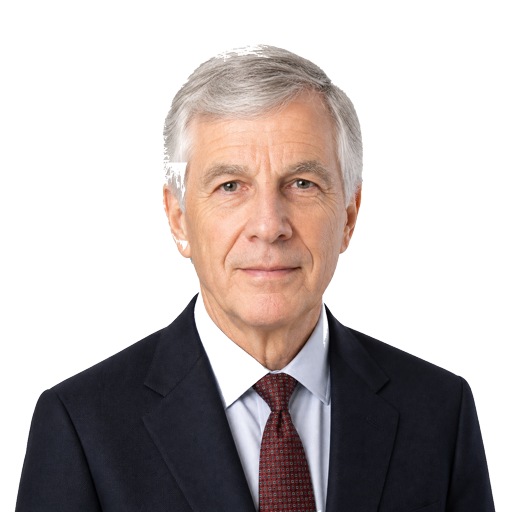
Robert Lucas
Rational expectations, Lucas critique, macroeconomic policy effectiveness, Chicago school
Robert Lucas received the 1995 Nobel Prize in Economics for developing the rational expectations hypothesis — arguing that when people anticipate government policy, they adjust their behavior in ways that can offset the policy's intended effects. This "Lucas critique" argued that policy analysis based on historical relationships would fail because those relationships would break down when policies changed. Lucas's work transformed macroeconomic methodology and contributed to skepticism about activist fiscal and monetary policy. His business cycle theory influenced subsequent DSGE macroeconomic models. The Lucas critique is considered one of the most important methodological contributions to macroeconomics in the 20th century: it effectively delegitimized large-scale econometric policy models of the Keynesian tradition and paved the way for microfounded, forward-looking dynamic models in which agents optimize given their expectations of future policy. His island model of the business cycle — explaining output fluctuations through monetary surprises rather than real shocks — was foundational, even as later work by Kydland, Prescott, and others shifted the focus toward real business cycle theory.

Person photos, portraits, descriptions, and market context may be AI-generated or AI-assisted and are not an official biography, identity verification, affiliation, or endorsement: legal notice.
Analytics
Instrument Influence
Loading influence...
Signal Sources
Loading sources...
Checking access...