
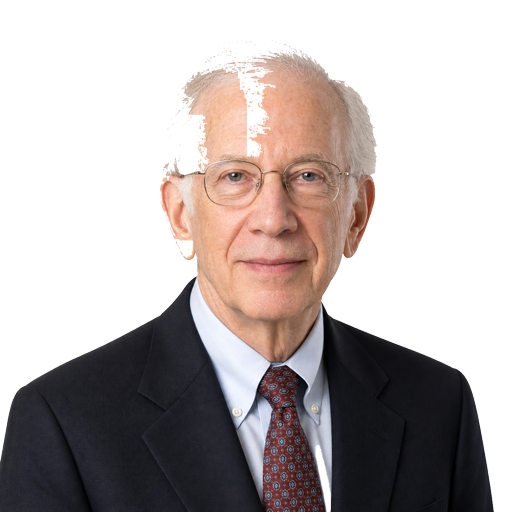
Gary Becker
Human capital theory, economics of crime, discrimination economics, family economics
Gary Becker received the 1992 Nobel Prize in Economics for extending economic analysis to human behavior. His book "Human Capital" (1964) formalized the concept of investing in education and health as investments with returns. His economics of crime examined how individuals respond to incentives in criminal behavior. He applied economic analysis to discrimination, marriage, fertility, and altruism. Becker's approach — treating individuals as rational actors responding to incentives across all domains of life — became foundational to behavioral and social economics. His research on human capital formation has been foundational to modern labor economics and development policy, influencing how international organizations design education and health interventions. He collaborated extensively with Milton Friedman and George Stigler as part of the broader University of Chicago tradition of applying price theory to social phenomena beyond traditional market contexts.

Person photos, portraits, descriptions, and market context may be AI-generated or AI-assisted and are not an official biography, identity verification, affiliation, or endorsement: legal notice.
Analytics
Instrument Influence
Loading influence...
Signal Sources
Loading sources...
Checking access...