
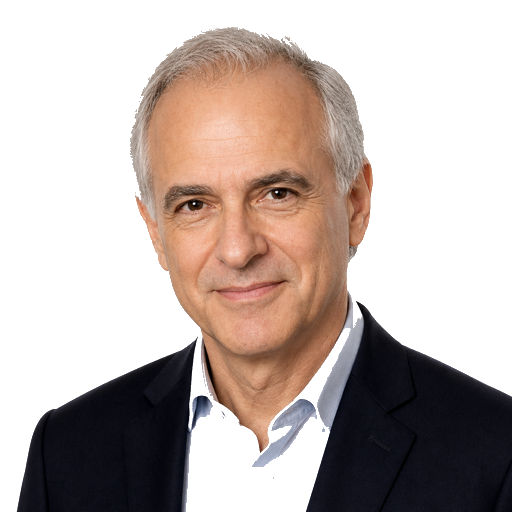
Andrei Shleifer
"The Limits of Arbitrage" (1997) with Vishny — why mispricings persist; noise trader model; corporate finance and law and finance research; co-authored foundational Law and Finance series.
Andrei Shleifer received his PhD from MIT and is one of the most cited economists globally — consistently ranking among the top 3-5 most cited academic economists. His most influential contribution to financial economics is 'The Limits of Arbitrage' (1997), co-authored with Robert Vishny. Standard efficient markets theory assumes that if an asset is mispriced, rational arbitrageurs will exploit the mispricing and drive the price back to its fundamental value. Shleifer and Vishny show that arbitrage is risky and costly: arbitrageurs typically use other people's money, and if the mispricing becomes more extreme in the short run (before correcting), investors may withdraw capital from arbitrageurs precisely when they should be adding to positions. This 'limits of arbitrage' framework explains why mispricings can persist even in the presence of rational, informed traders. It became foundational for behavioural finance and for understanding phenomena like closed-end fund discounts, home bias, and anomalous security prices. Shleifer and colleagues also developed influential research on corporate governance, legal institutions, and investor protection that explained cross-country differences in financial market development.

Person photos, portraits, descriptions, and market context may be AI-generated or AI-assisted and are not an official biography, identity verification, affiliation, or endorsement: legal notice.
Analytics
Instrument Influence
Loading influence...
Signal Sources
Loading sources...
Checking access...